Relational-Somatic Therapy for complex trauma in los angeles
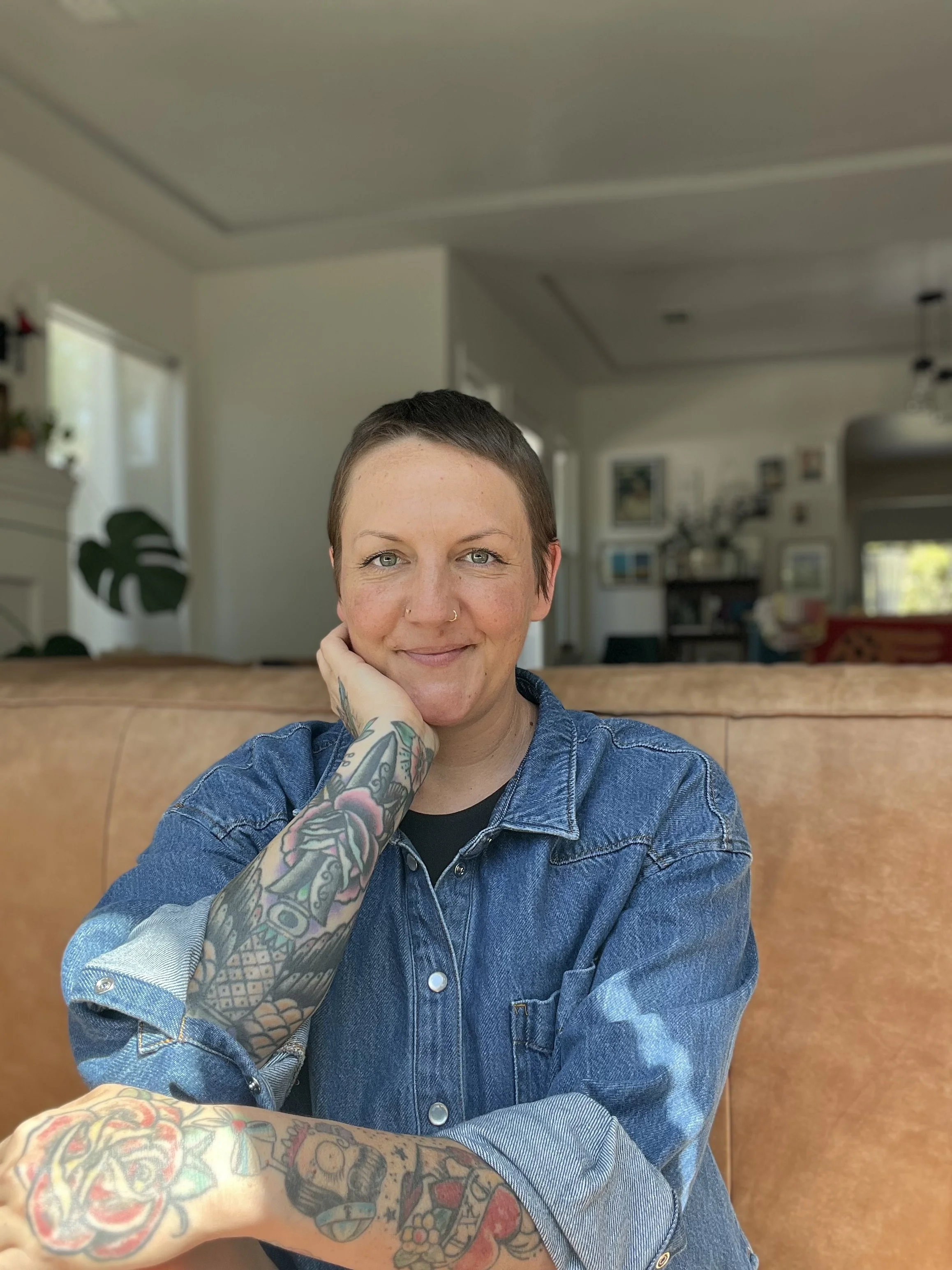
Katie Holz, LMFT
Trauma & AddictionTherapist | Founder of Wandering Heart Collective Los Angeles
-
What to Expect in a Session
Therapy is more than just talking. In our 45 minutes together, we slow down and pay attention to what you're feeling, how you're relating, and what your body might be holding beneath the surface.
We begin each session with a check-in. You might bring in something that happened during the week, a relationship that feels challenging, or a feeling that won’t go away. As we talk, we also notice what shows up in your body; tightness, stillness, or emotion, because these are often signs of deeper patterns that words alone might not fully express.
This approach is rooted in relational and somatic work. Together, we explore how your early relationships may be shaping how you connect, protect, or distance in the present. If you learned to be careful, to stay quiet, or to take care of others before yourself, that can still be playing out in ways that feel automatic. Therapy is a space to notice those patterns with compassion and begin to relate to them differently.
Sometimes sessions are quiet and reflective. Sometimes they feel tender or activating. There’s no right way to be here. What matters is that we create a space where what has felt too much to hold alone can begin to be held together.
We end with a few moments to reflect. This helps you leave with a little more clarity or connection than when you arrived, and supports the work continuing between sessions.
Wherever you are in your journey, I’m here to walk alongside you.
Fee: 250.00 for 45-Minute Session
-
What is EMDR Therapy?
Eye Movement Desensitization and Reprocessing (EMDR) is a trauma-focused therapy that helps the brain process and resolve distressing memories, reducing their emotional intensity. When we experience trauma, the brain’s natural ability to process information can become overwhelmed, leaving memories “stuck” and causing ongoing distress. EMDR removes these blockages, allowing the mind to resume its natural healing process—much like how the body heals a physical wound once an obstacle is removed. Research shows that EMDR can create meaningful change more quickly than traditional talk therapy, offering relief from trauma, anxiety, depression, and other emotional challenges.
Why EMDR?
Unlike traditional therapy, which focuses on verbal processing, EMDR is an experiential approach that engages both the mind and body. Using bilateral stimulation (such as eye movements, tapping, or sound), it helps clients reprocess past experiences, desensitize present triggers, and develop adaptive coping strategies for the future. This whole-person approach makes EMDR especially effective for those struggling with PTSD, grief, self-esteem issues, addictive patterns, or emotional dysregulation.
If you’re ready to explore EMDR, reach out to schedule a session.
Fees:
250.00 for 45-Minute Sessions
400.00 for 90-Minute Sessions
-
Psychedelic Somatic Interactional Psychotherapy (PSIP) is a body-based, experiential approach designed to help individuals process unresolved trauma and emotional patterns that exist beyond words. Rather than relying on cognitive insight alone, PSIP works directly with the nervous system, allowing stored trauma to surface and integrate through somatic activation and relational support. This method can be used with or without psychedelics, creating a safe space for deep processing and healing.
What to Expect in a Session
Each session is guided by the body’s innate intelligence, rather than structured talking or storytelling. We begin by noticing sensations, impulses, and emotions as they arise, allowing the nervous system to access and release stored trauma in real time. Unlike traditional KAP (sitter models), PSIP encourages interactive engagement. You will connect with the therapist, shift between inner and outer awareness, and explore what emerges at your own pace. This process fosters embodied integration, helping you move from intellectual understanding to felt transformation.
Fees:
650.00, 2.5 Hour Ketamine and/or Cannabis Sessions.
250 for 45-minute prep and follow up sessions. *At least 3 prep sessions and a medical evaluation will be required before beginning any psychedelic work*
I also offer these services from the comfort of your home.
No additional charge within 3 miles of Mar Vista.
$25/Hr +.50/Mile for travel outside of 90066
-
Depression can lead to isolation, self-criticism, and disconnection. This group provides a supportive, confidential space to share openly, connect with others who understand, and explore how relationships impact mood and well-being. Members practice honest communication, deepen self-awareness, and develop new ways of relating that foster hope and resilience. The group is ongoing, with weekly meetings that encourage consistency while allowing flexibility. Unlike a psychoeducational group, which teaches skills and information, a process group focuses on the here-and-now experience between members—offering real-time opportunities to notice patterns, practice connection, and receive support.
You will meet 1:1 with Katie before joining the group.
Fee: 125.00
-
Our Ketamine-Assisted Therapy (KAP) Group is a multi-session journey that combines the transformative effects of ketamine with the power of shared connection. This group provides a structured, supportive space for deep exploration, helping participants gain insight and integrate their experiences in a way that leads to lasting change. Whether you’re navigating past wounds, seeking emotional growth, or curious about psychedelic-assisted therapy, this group offers a unique opportunity for healing in community.
What to Expect
Each group consists of 4-6 participants and blends non-medicine and medicine sessions to create a comprehensive healing experience. Throughout, we emphasize somatic awareness, emotional processing, and relational support, ensuring that what emerges in the medicine sessions is fully integrated into daily life.
Medicine Sessions are 3 hours long and include a 45 minute check-in, 90 minute live soundbath immersion, and a 45 minute melting pot of shared experiences.
Fee: $3,500 (can be split into 3 monthly payments) - includes 2 individual prep sessions, 2 group prep sessions, 6 medicine sessions, and 6 integrations sessions.
Please reach out for full schedule breakdown.
*Medical evaluation & medicine can be provided through Journey Clinical or Dr. Nate Miller and is a separate cost*
If you’re ready to explore this path, reach out to schedule an assessment and learn more.
Services & Fees
Education & Trainings
MA Clinical Psychology Antioch University Los Angeles
Psychodynamic Training at Maple Counseling Center
EMDR Trained at Institute for Creative Mindfulness
Additional EMDR Training and Focus in;
Attachment
Addiction
Somatic & IFS
C-PTSD Somatic Training from Arielle Schwartz, PhD
Psychedelic Somatic Training from Psychedelic Somatic Institute
Assistant Clinical Director for Dual Diagnosis Residential Program
Licensed by the Board of Behavioral Sciences in California
Safely providing Ketamine Assisted Therapy (PSIP)
Discover how Ketamine-Assisted Psychotherapy works and if it’s appropriate for you. We’ll go over your history, symptoms, and possible benefits.
Consultation Call
Preparation
Plan for at least three preparation sessions to establish safety and trust. We discuss your history, expectations, and how we will move through PSIP step by step.
Medical Assessment
Journey Clinical's expert medical team will assess your eligibility for KAP, and if eligible, create your prescription which will be shipped to you. If you're not eligible, you will receive a refund.
KAP sessions are two and a half hours and personalized. As a trauma therapist, I use PSIP to pair ketamine with somatic, relational psychotherapy that supports processing and growth.
Start KAP Sessions

A glimpse into my story…
Growing up, I often felt like I didn’t quite belong. I was a daydreamer, a creative, a sensitive soul in a world that didn’t always make space for difference. While others seemed to know their place, I often felt like I was floating and uncertain, watching from the edges, longing for a deeper sense of home within myself and in the world.
For much of my life, I felt like a “lost soul.” That sense of disconnection followed me into adulthood, sometimes appearing as anxiety, sometimes as numbness, and often as the haunting question: What’s wrong with me? Why can’t I just be okay? There were moments when it felt like there was no way out, just a looping maze of pain, confusion, and self-doubt.
In 2011, I began my Self-discovery journey. It wasn’t a straight path, it was messy, nonlinear, and filled with challenges. But it taught me that healing is possible when we have the courage to turn inward and allow others to walk with us.
A few years ago, I stumbled across a sign at an art fair that read, “Some who wander are lost and that’s okay too.” Those words lit something up in me, reminding me that being lost isn’t the end of the story, it’s part of the process. It was the spark I needed to begin shaping my therapeutic practice around this core idea: we don’t always need to know where we’re going to begin the journey.
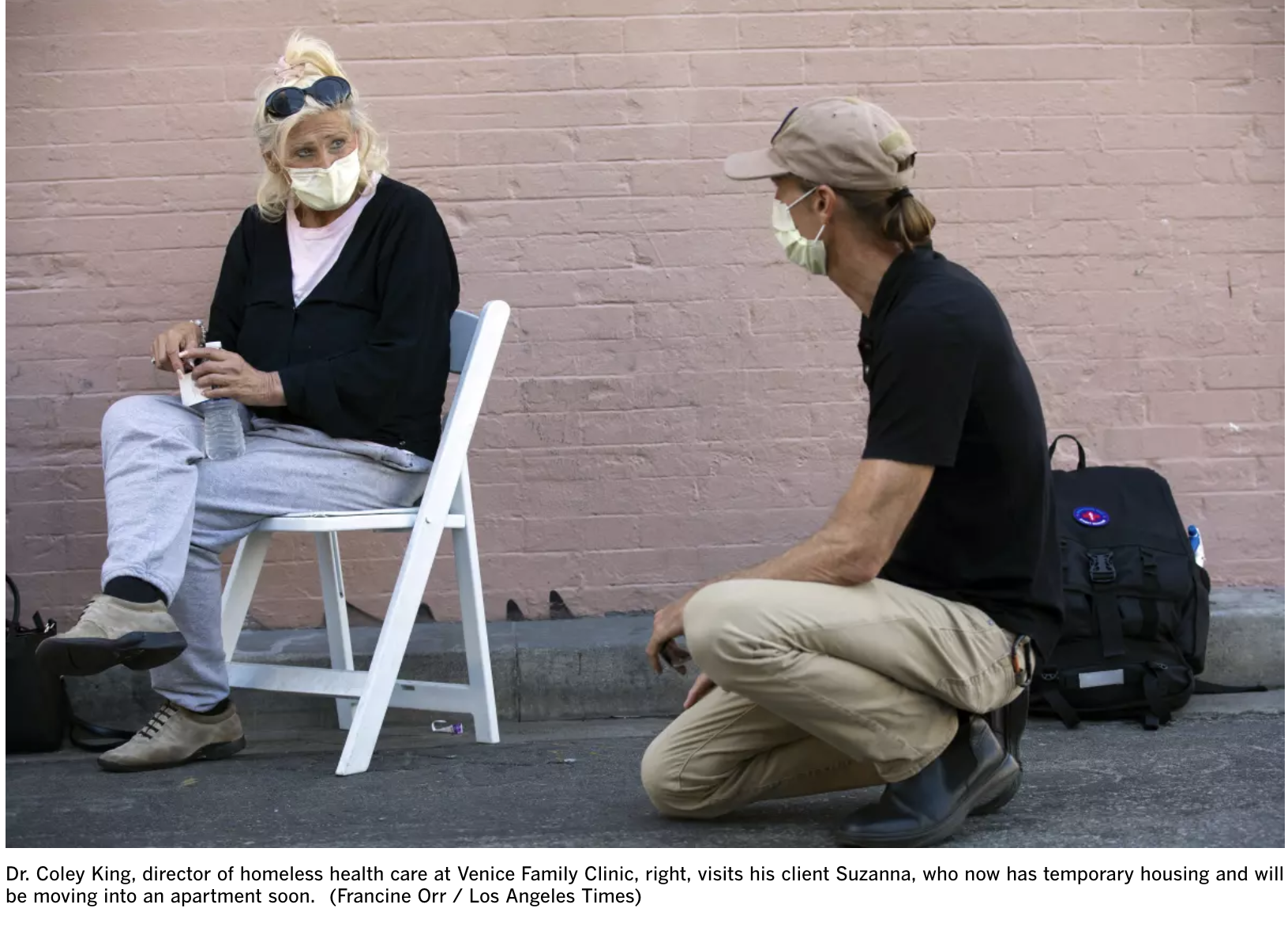
Before pursuing my degree, I spent six years working in homeless services, providing support as part of a multidisciplinary team for individuals navigating severe mental health challenges, including psychosis, suicidality, and complex trauma. In that time, I learned that no story is too much, no experience too messy, and no one is beyond the reach of care.
As seen in the LA times, Venice family clinic, and usc Center for health Journalism for harm reduction work.
Featuring katie holz, lmft